Exploring the Cultural Significance of Masks in Heritage and Community Life
- Feb 17
- 4 min read
Masks have long been more than just objects worn on the face. They carry stories, beliefs, and identities that connect people to their past and to each other. Across cultures, masks serve as powerful symbols that reflect a community’s heritage, diversity, and way of life. This post explores the deep meaning behind masks, focusing on the unique tradition of the Duars region, where efforts are underway to preserve and revive lost masks, including the creation of miniature versions. We will also highlight the upcoming language fair that supports this cultural initiative and invite readers to become part of this living tradition.
Masks as Reflections of Community Heritage
Masks often embody the spirit and history of a community. They are used in rituals, festivals, and ceremonies to tell stories of ancestors, gods, and nature. In many cultures, masks represent characters from mythology or historical events, serving as a bridge between the past and present.
In the Duars region, masks are deeply tied to local folklore and religious practices. Each mask has a distinct design that symbolizes a particular deity, animal, or spirit. These masks are not merely decorative; they are sacred objects that carry the community’s collective memory and values. Wearing a mask during a festival is a way to honor traditions and connect with the unseen forces believed to influence daily life.
The Diversity of Masks and Their Meanings
The variety of masks found in different cultures highlights the diversity of human expression. Some masks are colorful and elaborate, while others are simple and raw. Materials range from wood and clay to fabric and metal, each chosen for its symbolic or practical significance.
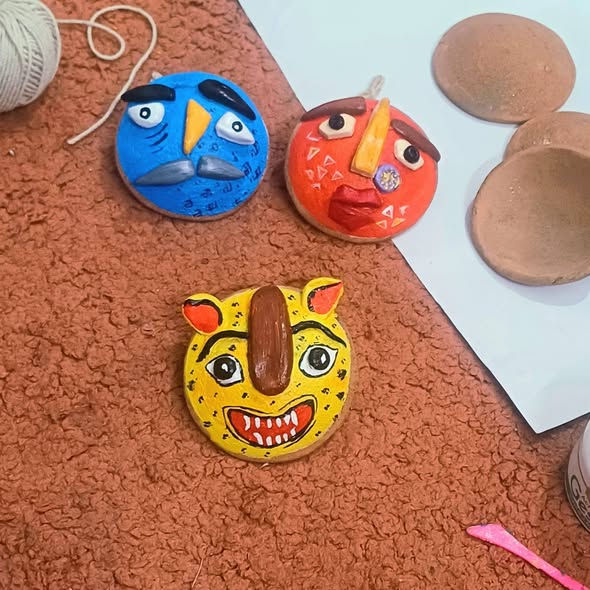
In Duars, masks often feature bold colors and detailed carvings that tell stories unique to the region. For example, the “Tiger Mask” represents strength and protection, while the “Bird Mask” symbolizes freedom and communication with the spirit world. These masks are used in dances and performances that bring the stories to life, allowing the community to pass down knowledge through generations.
Preserving and Innovating the Lost Masks of Duars
Many traditional masks of Duars have been lost over time due to changing lifestyles and modernization. Recognizing the importance of these cultural artifacts, local artisans and cultural organizations have launched projects to preserve and revive these masks.
One notable effort is the introduction of miniature masks. These smaller versions make it easier to share and display the masks beyond their original ceremonial use. Miniature masks serve as educational tools and collectibles, helping to keep the tradition alive in homes and schools. They also provide a new way for younger generations to engage with their heritage.
Artisans carefully study old designs and oral histories to recreate masks with authenticity. This process involves community elders who share stories and meanings behind each mask, ensuring that the cultural significance is not lost in translation.
Stories Behind the Masks
Each mask carries a story that reveals the values and beliefs of the people who created it. For example, the “Forest Spirit Mask” is said to protect the village from harm and bring good harvests. During festivals, the wearer of this mask performs dances that mimic the movements of animals and nature, reminding the community of their connection to the environment.
Another story involves the “Ancestor Mask,” which honors the wisdom of forebears. Wearing this mask during ceremonies invites the presence of ancestors, offering guidance and blessings. These stories are passed down orally and through performance, making masks living symbols of cultural continuity.
Collecting Masks as a Way to Connect
Collecting masks, especially the miniature versions, offers a tangible way to connect with culture and history. These pieces can serve as conversation starters, educational tools, or personal reminders of heritage. Collectors often find joy in learning about the origins and meanings of each mask, deepening their appreciation for the community that created it.
For those interested in starting a collection, local cultural centers and fairs provide opportunities to acquire authentic masks. Supporting artisans through these purchases helps sustain traditional crafts and encourages the continuation of mask-making practices.
The Upcoming Language Fair and Its Cultural Role
The upcoming language fair plays a crucial role in supporting the preservation of masks and the cultural heritage they represent. Language and masks are intertwined, as many stories and rituals are shared in native tongues. The fair will feature workshops, performances, and exhibitions that highlight the connection between language, storytelling, and mask traditions.
Visitors can experience live demonstrations of mask-making, hear stories behind the masks, and participate in cultural activities. This event offers a platform for communities to showcase their heritage and for attendees to learn and engage with living traditions.
How You Can Participate
By engaging with these cultural initiatives, you help preserve a rich heritage that connects people across time and place.
Visit the language fair to explore mask exhibits and cultural performances.
Support local artisans by purchasing masks or miniature replicas.
Learn about the stories and meanings behind masks to deepen your cultural understanding.
Share your experiences and knowledge with others to keep these traditions alive.


Comments